
The fastest way to know if you have a herniated disc is to look for pain that travels from your back into your legs or arms, along with numbness, tingling, or sudden weakness. These symptoms usually mean a spinal disc is pressing on a nerve. In medical terms, this is called a herniated or a slipped disc. If the pain doesn’t ease after a few days or keeps returning, you might need to get it checked to see if you require slipped disc treatment in Petaling Jaya.
What is A Herniated Disc?
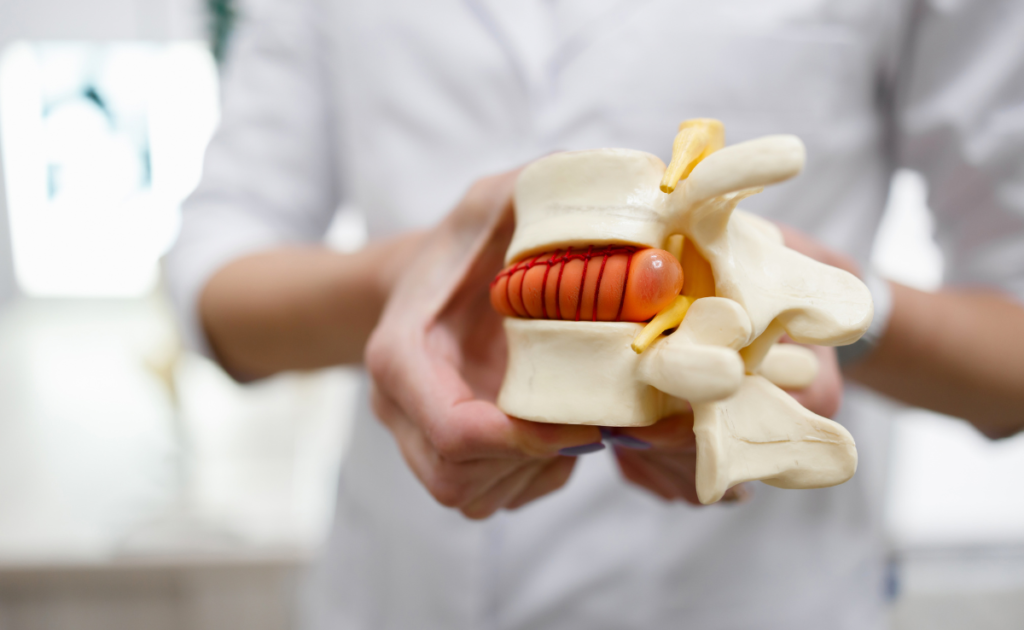
A herniated disc happens when the soft centre of a spinal disc pushes out through a tear in the tougher outer layer. The pressure from the displaced disc material often affects nearby nerves, leading to pain, numbness, or weakness, especially in the lower back or neck.
When your spinal discs start to wear down (often due to age, poor posture, or injury), the jelly-like nucleus pulposus inside the disc can bulge out, thus commonly referred to as a “slipped disc.” This condition typically affects the lumbar (lower back) and cervical (neck) regions, making it difficult to sit, walk, or even sleep comfortably.
Symptoms may vary widely depending on the disc’s location and how much it compresses surrounding nerves, which is why accurate diagnosis is so important. Sometimes, what feels like a muscle ache could actually be disc-related nerve pain.
Recognising the Early Signs of a Herniated Disc
Before a herniated disc becomes severe enough to disrupt your daily life, your body usually drops a few hints. Some are mild. Some are annoying. And some are downright alarming. The sooner you recognise these signs, the faster you can get the right treatment and prevent long-term damage.
Here’s how your body might be telling you something’s wrong:
Persistent Lower Back Pain
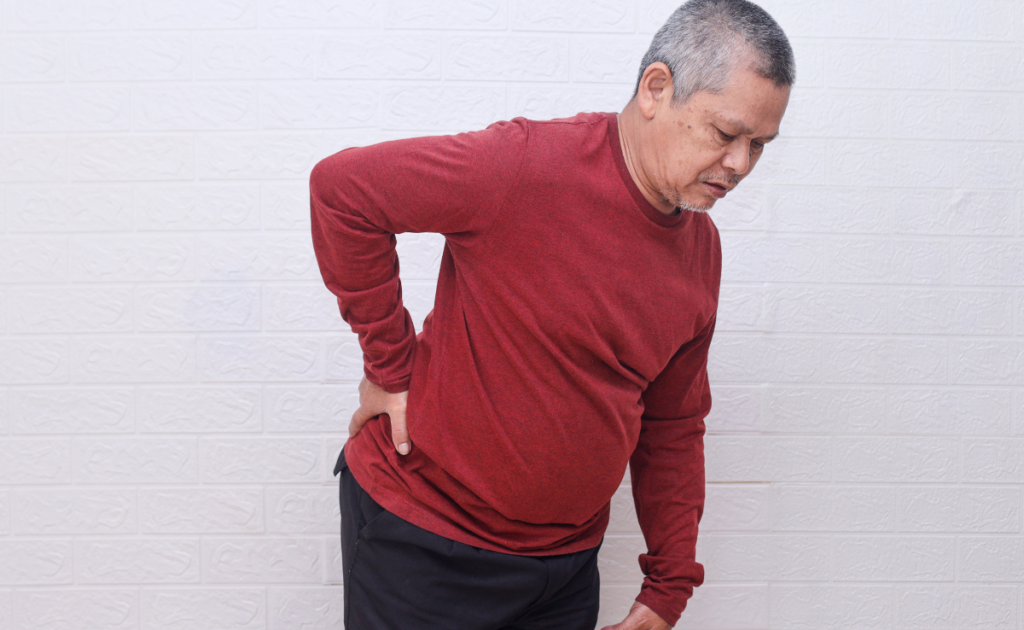
If your lower back aches for days or weeks without improving, it could be more than muscle soreness. Herniated disc pain often feels deep, sharp, or nagging. It may flare up after long hours of sitting, driving around Petaling Jaya traffic, or bending forward. Unlike typical backaches, this pain doesn’t fade with rest
Radiating Pain in the Legs or Arms
One of the clearest signs of a herniated disc is pain that travels. When the disc presses on a nerve, you might feel sharp, shooting pain down your leg (sciatica) or into your arm. This happens because the irritated nerve sends pain signals along its entire pathway.
Numbness or Tingling That Doesn’t Go Away
Pins and needles might sound harmless, but when they’re persistent, they often signal nerve compression. You may feel it on one side of your body, particularly in your thighs, calves, feet, or fingers. This sensory change can worsen over time if left untreated.
Sudden Weakness in One Side of the Body
If your leg suddenly feels too weak to support your weight, or you find yourself struggling to grip objects, that’s no longer just discomfort. Weakness is a sign that the nerve is being compressed severely enough to affect muscle performance. This symptom deserves immediate medical attention.
Pain Worsens with Movement, Sneezing, or Coughing
Herniated disc pain often intensifies during movements that involve pressure changes. Sneezing, coughing, laughing, or bending forward can create a sudden jolt of pain because these actions increase pressure around your spine.
If your pain intensifies with these movements, it’s a strong indicator of a disc issue rather than simple muscle strain.
Loss of Bowel or Bladder Control (Red Flag)
This is rare, but if it happens, it’s an emergency. Loss of control may indicate cauda equina syndrome, where the herniated disc compresses nerves at the base of your spine.
You must seek urgent care immediately – delaying treatment could lead to permanent nerve damage.
What Causes a Herniated Disc?

A herniated disc doesn’t happen out of nowhere. It’s usually the result of pressure, degeneration, or repetitive strain catching up with your spine. Most people only realise something’s wrong when the pain hits, but the real cause often starts quietly long before that.
Here’s what typically leads to a disc slipping, bulging, or herniating.
Natural Wear and Tear (Disc Degeneration)
As we age, the discs in our spine lose moisture and elasticity. This makes them less able to absorb shock and more prone to tearing. The findings published in the Journal of Orthopaedic Research quote that age-related degeneration is one of the most common triggers for herniated discs.
It’s subtle, it’s slow, and it affects almost everyone to some degree – but not everyone will feel the symptoms until the disc actually presses on a nerve.
Poor Posture and Sedentary Lifestyle
Long hours hunched over a laptop or slouched in the car can place continuous pressure on your spine. Bad posture compresses your discs unevenly, accelerating wear and increasing these risks. Office workers, for example, who sit all day or work remotely often fall into this high-risk category simply because the spine never gets a break.
Heavy Lifting and Sudden Strain
One wrong lift at the gym or a sudden twist while carrying groceries can be enough to push a disc out of place. When you lift without engaging your core or bend from your waist instead of your knees, all the pressure goes straight to your lower spine. Athletes, warehouse workers, and gym enthusiasts often experience this type of acute disc injury.
Repetitive Movements
Jobs or sports that require constant bending, twisting, or rotation gradually strain the disc. Over time, these micro-stresses cause the disc’s outer layer to weaken, making it easier for the inner gel-like material to slip out.
Being Overweight
Extra weight means extra load on your spine. Studies from the American Journal of Epidemiology show a clear link between obesity and lumbar disc herniation because the discs must constantly support higher pressure. Even a small reduction in weight can significantly reduce risk and improve outcomes.
Previous Injuries or Genetic Factors
Some people simply have a family history of disc problems or were born with naturally weaker spinal structures. Others develop a herniated disc after an old injury that never healed properly.
Diagnosis and Tests You Might Need

Knowing the symptoms is one thing, but confirming whether you actually have a herniated disc or scoliosis requires proper assessment. Many people in Petaling Jaya mistake regular back pain for a slipped disc, while others ignore red flags until the condition becomes severe. Getting the right diagnosis early can save you months of pain, unnecessary medication, and potential nerve damage.
Here’s what the diagnostic process usually looks like.
Physical Assessments and Movement Checks
Before sending you for scans, a qualified clinician will perform specific movement tests to observe how your spine, nerves, and muscles respond. These may include:
- Straight leg raise tests to detect nerve tension
- Reflex and strength checks to assess nerve function
- Posture and gait analysis to identify compensation patterns
These clinical tests often give clearer insight into how the herniated disc affects your daily movement.
Imaging Scans: MRI, X-Ray, CT
The most accurate way to confirm a herniated disc is through imaging, especially when your symptoms are inconsistent or severe.
- MRI scans are the gold standard according to the North American Spine Society because they show the full picture – discs, nerves, joint spaces, inflammation, and even early degenerative changes. This makes them particularly useful when your physical symptoms don’t line up perfectly with what’s seen during a movement exam.
- X-rays, on the other hand, can’t reveal herniated discs directly because they only show bones. Still, they help rule out other causes of back pain in patients, such as spinal curvature issues, bone spurs, fractures, or vertebral misalignment.
- CT scans sit somewhere in the middle – they’re more detailed than X-rays but not as precise as an MRI for soft tissue. They’re typically recommended for people who can’t undergo an MRI due to metal implants, pacemakers, or severe claustrophobia.
Together, these imaging methods build a comprehensive picture so clinicians can decide whether you need conservative care, advanced physiotherapy, or a specialist referral.
When Should You Seek Professional Help?
If your back pain has lasted more than a week, keeps getting worse, or starts affecting your legs, you shouldn’t wait it out. Sudden numbness, sharp shooting pain, or weakness on one side of the body are classic indicators that a nerve may be involved.
You should seek immediate help if you experience red flag symptoms like loss of bladder or bowel control or sudden, severe weakness. These may indicate cauda equina syndrome, a medical emergency recognised by the National Institute of Neurological Disorders and Stroke.
A physiotherapist or chiropractor trained in spine conditions can also be your first point of contact, as they often identify disc issues early through movement-based assessment.
Can a Herniated Disc Heal Naturally or Completely?
A lot of people panic the moment they hear the word “herniation,” but here’s the truth: many herniated discs can heal naturally, especially when caught early and managed properly. The spine has a surprising ability to recover when given the right environment, the right movements, and the right treatment plan.
Minor Herniations and Self-Healing
Small or mild herniations often improve on their own because the body slowly reabsorbs the leaked disc material. This process is known as disc resorption.
This is why many healthcare professionals recommend conservative care before jumping into injections or surgery. Rest, controlled movement, and targeted rehab create the conditions your spine needs to recover.
Signs your body is responding well usually include:
- Less radiating pain
- Improved mobility
- Decrease in numbness or tingling
- Better tolerance for standing or walking
If these improvements happen within weeks, your disc is likely healing without invasive treatments.
Treatment Options for Herniated Discs in Petaling Jaya

If you’ve been diagnosed with a herniated disc, you might wonder what your next step should be. The two most trusted conservative treatments are physiotherapy and chiropractic care — each with its own approach to restoring movement and reducing pain.
Physiotherapy
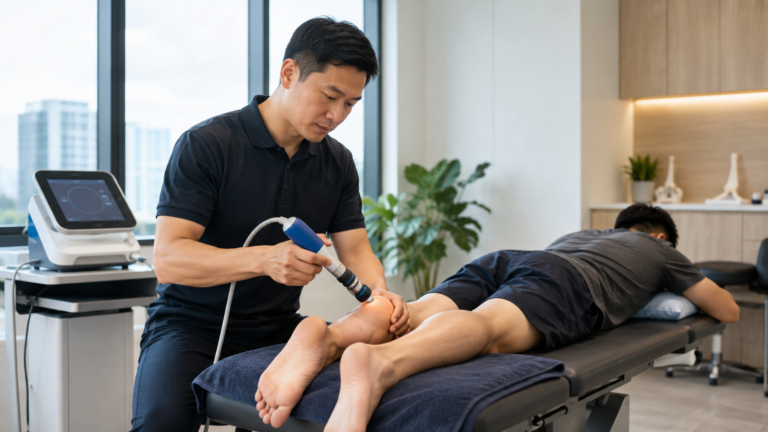
A physiotherapist, such as our experts at Tio Chiro & Physio, will start by evaluating your posture, mobility, and the specific symptoms you’re facing. Your rehab plan may include guided exercises to stabilise your core, manual therapy to relieve nerve pressure, and stretches to regain flexibility. Evidence shows that targeted physiotherapy can speed up nerve recovery, prevent muscle wasting, and reduce the risk of the pain returning.
Our sessions are personalised for your lifestyle, whether you’re struggling with office ergonomics or recovering from a sports injury. Consistent physiotherapy not only helps manage pain but also builds resilience in the surrounding muscles, which is crucial for long-term disc health.
Chiropractic Care
Chiropractic care takes a hands-on approach to spinal health. An experienced chiropractor from Tio Chiro & Physio uses specific adjustment techniques to realign the spine and minimise nerve irritation caused by the bulging disc. For many patients, these gentle adjustments can provide immediate relief from pain, tingling, or numbness, and restore confidence in daily movement.
Your chiropractor will also help you identify posture habits or daily movements that might be aggravating your symptoms. Combining spinal adjustments with practical advice about sitting, lifting, and sleeping positions is part of our holistic care strategy.
When Should You Consider Surgery?
Surgery should remain as your last choice if you have exhausted physiotherapy, chiropractic care, and lifestyle changes for at least 6–12 weeks without meaningful improvement. Surgery is also warranted if you develop serious symptoms such as increasing muscle weakness, persistent numbness, or loss of function in your leg or arm.
For most residents in Petaling Jaya, surgery such as a microdiscectomy is only considered when pain is severe enough to limit daily activities or if nerve symptoms keep progressing despite non-surgical treatment. A trusted spine specialist will help you weigh the risks and benefits, and only recommend surgery if necessary.