
Back pain that doesn’t go away? Feeling like your posture is off despite your efforts to fix it? These can be early signs of adult scoliosis, a condition that often goes unnoticed until it starts affecting daily life
While many people associate scoliosis with teenagers, it is also common in adults. Many individuals live with a curved spine without realizing it. Surgery is not always necessary and many people manage symptoms effectively through natural, non-invasive approaches and structured treatment programmes.
What is Adult Scoliosis?
Scoliosis occurs when the spine curves sideways into an “S” or “C” shape instead of remaining straight. There are two main types in adults:
Adolescent Idiopathic Scoliosis (AIS)
This type develops during puberty (ages 10–18). In many cases, the curve stabilizes after growth ends. However, curves measuring 30 degrees or more can continue progressing in adulthood, sometimes by 1–2 degrees per year.
This means a mild curve in youth can become significant decades later without obvious symptoms, which is why many adults are surprised when scans reveal progression.
De Novo (Degenerative) Scoliosis
This type develops later in life due to wear and tear on the spine. It is common in adults over 60 and more prevalent in women, especially after menopause due to reduced bone density.
Degenerative scoliosis often affects the lower back and tends to be more painful. It is commonly associated with conditions like disc degeneration, joint inflammation, and spinal stenosis, which can compress nerves and cause additional symptoms.
Common Symptoms of Scoliosis in Adults
Mild scoliosis may not cause noticeable symptoms and is often discovered during routine imaging. However, as the condition progresses, signs become more apparent.
Back Pain
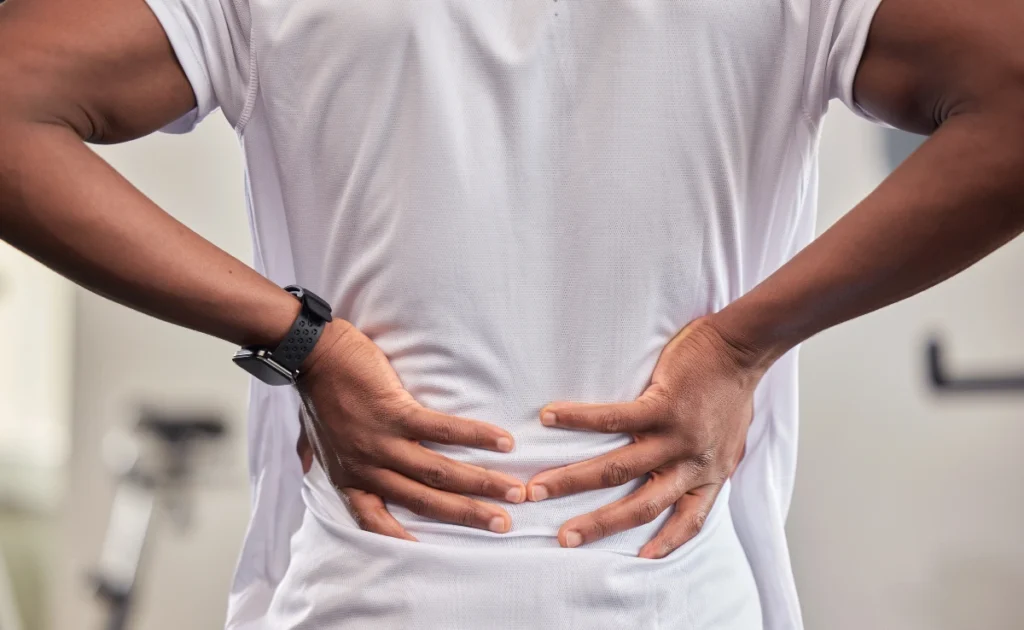
This is the most common symptom. Unlike adolescent scoliosis, adult scoliosis often causes persistent discomfort, typically in the lower back. The pain usually worsens after prolonged sitting or standing. This happens because the uneven spine forces surrounding muscles to compensate, leading to fatigue and inflammation over time.
Visible Changes in Posture and Body Shape
Stand sideways in front of a mirror and if you notice physical signs such as one shoulder appears higher than the other, hips look uneven, body leans slightly to one side or clothes don’t fit evenly, it could signal scoliosis.
Nerve-related Symptoms
When spinal curves compress nerves, symptoms may extend beyond the back, including:
- Shooting pain down the legs (similar to sciatica)
- Numbness or tingling
- Leg weakness
- Difficulty walking long distances
These are more common in degenerative scoliosis.
Height Loss and Reduced Lung Function
Severe curves can lead to gradual height loss. In cases involving the mid-back, the curve may compress the chest cavity, causing breathlessness during everyday activities.
Chronic Fatigue
An imbalanced spine forces certain muscles to work harder throughout the day, leading to ongoing fatigue, especially in the evening.
How to Treat Scoliosis Naturally
Surgery is rarely the first option. Many adults manage it very effectively with scoliosis treatment approaches, especially when the curve is moderate and symptoms are not severe.
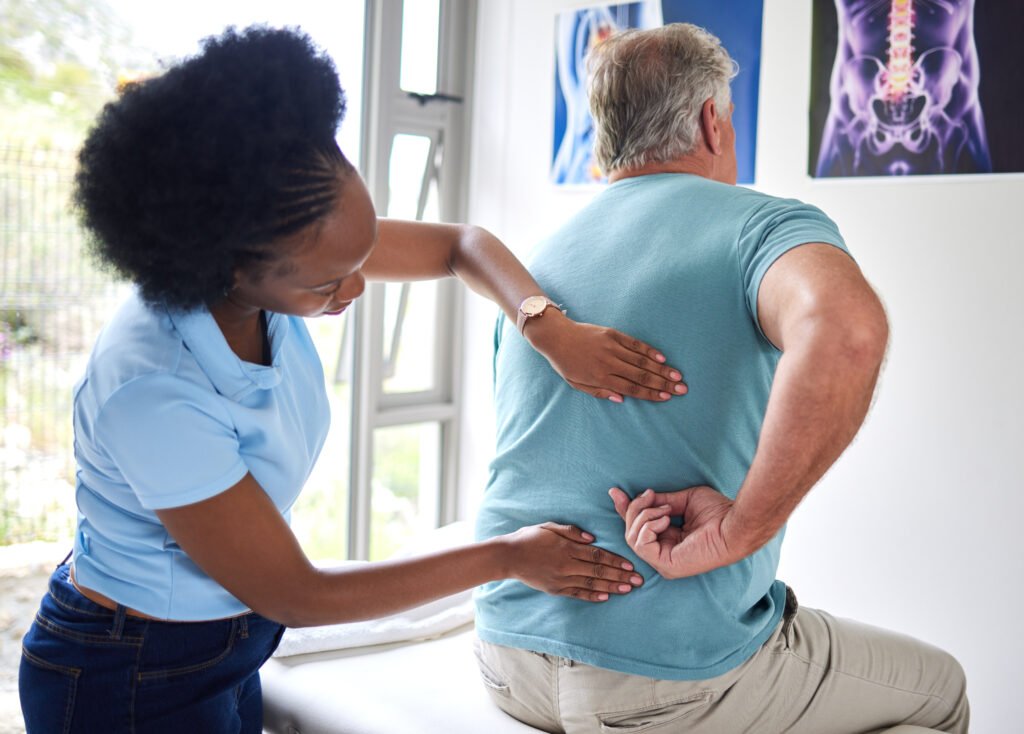
Chiropractic care
Chiropractic adjustments can reduce pain, improve mobility, and relieve muscle tension. While they do not correct the spinal curve itself, they help manage secondary issues caused by misalignment.
Working with a practitioner experienced in scoliosis is important, as techniques need to be adapted for curved spines.
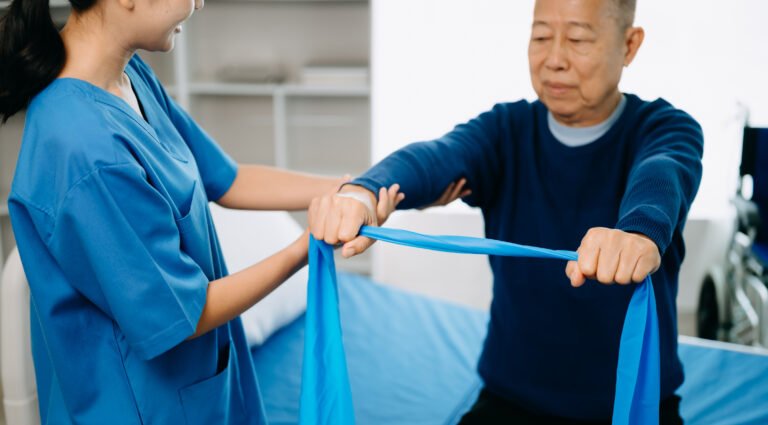
Physiotherapy and Rehabilitation
Physiotherapy focuses on strengthening and stabilizing the spine. Programs typically include:
- Core strengthening
- Stretching tight muscles
- Postural correction
Over time, this reduces strain and improves balance.
Acupuncture
Acupuncture is often used as a complementary therapy to reduce pain and muscle tension. It may help improve circulation, reduce inflammation, and relieve nerve-related discomfort.
Bracing for adults
While rigid braces are mainly used in adolescents, some adults benefit from soft braces. These help reduce muscle fatigue and redistribute pressure along the spine. Bracing is usually recommended on a case-by-case basis by a specialist.
Targeted Exercise and Movement Therapy
Low-impact exercises such as yoga and Pilates are especially beneficial. They help:
- Improve flexibility
- Strengthen core and back muscles
- Enhance body awareness
- Correct posture
These approaches focus on long-term functional improvement rather than structural correction.
Daily Tips to Manage Scoliosis at Home
Small, consistent habits are often more powerful than any single treatment. Here’s what makes a genuine day-to-day difference for adults managing scoliosis.
Sleep Position Matters
Side sleeping with a pillow between your knees reduces spinal load overnight. Choose medium-firm mattresses as too soft and your spine sinks; too hard and it doesn’t cushion pressure points. A lumbar support pillow can also help.
Invest in Ergonomic Support
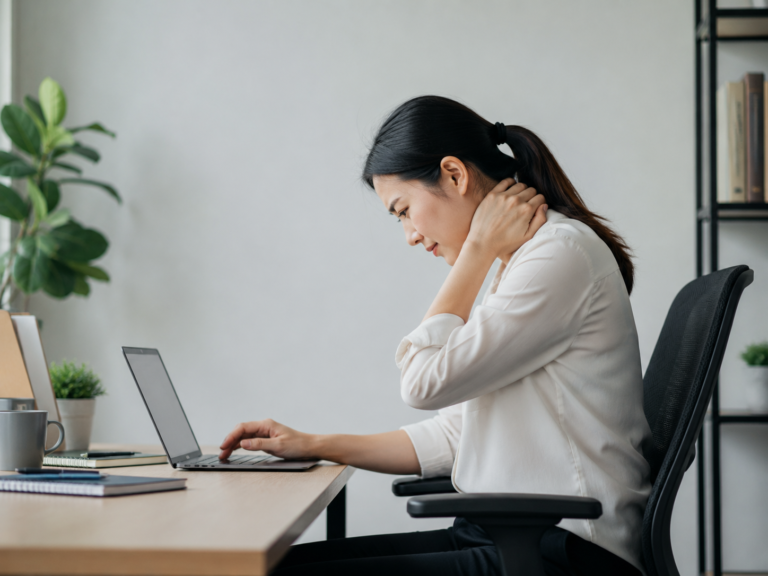
An ergonomic chair with lumbar support makes a real difference if you work a desk job. Keep your feet flat on the floor and your screen at eye level.
Take Regular Movement Breaks
Sitting for more than 30–40 minutes continuously increases spinal compression and muscle fatigue. Set a reminder to stand, walk, or stretch every half hour.
Carry Weight Evenly
Avoid single-shoulder bags. A well-fitted backpack that distributes weight evenly is far kinder to your spine than a handbag or sling that loads one side.
Maintain a Healthy Weight
Extra weight particularly around the abdomen increases lumbar strain. Even modest weight loss can reduce pain significantly.
Stay Consistently Active
Low impact activities like walking, cycling, swimming keep the supporting muscles strong without overloading the spine. Three to four times a week of gentle, sustained movement keeps the supporting muscles conditioned.
Practice Postural Awareness
Notice when you’re slumping at your desk or leaning heavily to one side while waiting in line. Gently correct it. Over months, consistent micro-corrections yield real postural change.