

When you have stubborn muscle pain, tight shoulders, lower back stiffness, or recurring sports injuries, you may come across two treatments that look almost identical which are dry needling and acupuncture.
Both involve the use of thin needles. Both may help with pain and both are often used by people who want a non-surgical, drug-free approach to managing discomfort. Despite the similar appearance, they are not the same. So, which one is right for your muscle pain? Let’s break it down.
What Is Dry Needling?
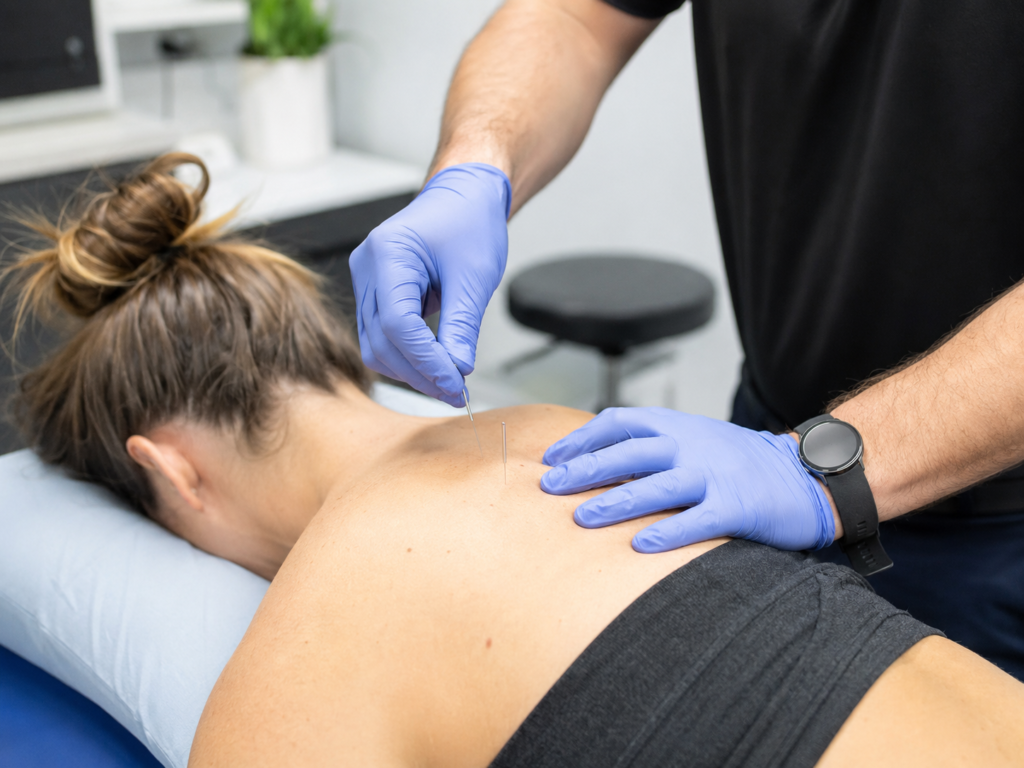
Dry needling is a modern treatment technique often used by physiotherapists and other trained healthcare practitioners to relieve muscle tightness, trigger point pain, and movement restriction.
During treatment, a fine needle is inserted into or near a tight muscle point. This may produce a small twitch response, which is the muscle reacting to the stimulation. The goal is to release tension, reduce pain, and improve mobility.
It is performed after an assessment to identify the source of pain. The clinic’s dry needling sessions typically target trigger points in affected muscles and may last around 20 to 30 minutes, depending on the treatment area.
Dry needling may be suitable for people dealing with:
- Neck and shoulder tightness
- Lower back pain
- Sports-related muscle tension
- Trigger point pain
- Headaches linked to muscle tightness
- Poor mobility due to tight muscles
- Recurring muscle soreness
Research suggests dry needling may help reduce pain in the short term, especially when compared with sham or no treatment. However, results can vary depending on the condition, treatment plan, and whether it is combined with other rehabilitation methods.
What Is Acupuncture?
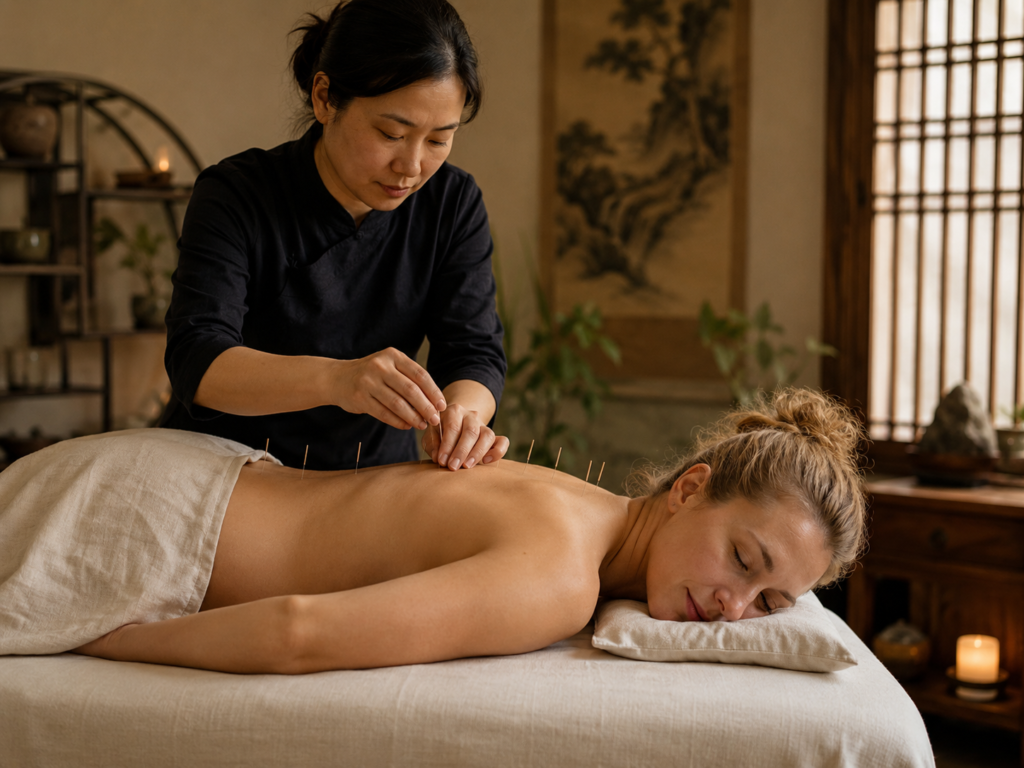
Acupuncture is a treatment rooted in traditional Chinese medicine. It involves inserting very thin needles into specific points on the body, often known as acupuncture points.
While traditional acupuncture is based on concepts such as energy flow, modern research also looks at how acupuncture may affect nerves, muscles, connective tissue, and pain-processing pathways.
Acupuncture is commonly used for pain management and overall wellness. It is most commonly used to treat pain. In Malaysia, acupuncture is widely practised and regulated under the Traditional and Complementary Medicine Act. It has a strong evidence base for certain conditions, particularly chronic pain, nausea, and headaches and for many patients, it works well.
Acupuncture may be considered for:
- Chronic pain
- Headaches or migraines
- Neck pain
- Back pain
- Stress-related tension
- General body aches
- Wellness support
For muscle pain, acupuncture may help some people by calming pain sensitivity, improving relaxation, and supporting the body’s natural pain-relief response.
Dry Needling vs Acupuncture: What’s the Main Difference?
Dry needling focuses more directly on muscles and trigger points. Acupuncture focuses on specific acupuncture points and the body’s broader pain and wellness response.
Here is a simple comparison:
Dry Needling | Acupuncture |
Often used for muscle knots and trigger points | Often used for pain, wellness, and body balance |
Based on modern musculoskeletal assessment | Rooted in traditional Chinese medicine |
Usually targets painful or tight muscles | Uses specific acupuncture points |
Common in physiotherapy and sports rehab settings | Common in traditional and complementary medicine settings |
May create a twitch response in the muscle | Usually aims for relaxation and therapeutic stimulation |
Often paired with exercise, rehab, or manual therapy | May be paired with other traditional medicine approaches |
Which Treatment Is Better for Muscle Pain?
For pain that originates directly from tight, overloaded, or dysfunctional muscle tissue, dry needling tends to produce faster and more targeted results. This is because the treatment goes straight to the anatomical source of the problem.
In typical scenarios that send Malaysians looking for pain relief: a neck that has been stiff for months from staring at a laptop, a shoulder that aches constantly since working from home, a calf that cramps up during runs, or lower back muscles that lock up after sitting through a long commute. These are all muscle-driven problems and dry needling is designed precisely for them.
Acupuncture, by contrast, may be a better fit when the goal is broader managing chronic stress, supporting overall wellbeing, or treating conditions that involve more than just localised muscle dysfunction.
That said, the two are not mutually exclusive. Some patients benefit from both, used at different stages of their recovery or for different aspects of their condition. The more important question is not which treatment is superior in general, but which one matches your specific problem.
When Should You Choose Dry Needling?
Dry needling may be a good option if your pain feels muscular and specific.
You may benefit from dry needling if:
- You have a tight, painful muscle knot
- Your pain gets worse when pressing on a trigger point
- Your neck, shoulders, or back feel stiff and restricted
- Stretching only gives short-term relief
- You have sports-related muscle tightness
- Your pain affects your range of motion
- You want treatment that can be combined with physiotherapy or chiropractic care
At TIO Chiro & Physio PJ, dry needling may be combined with chiropractic adjustments, soft tissue therapy, and home exercises as part of a broader care plan.
When Should You Choose Acupuncture?
Acupuncture may be worth considering if your pain is more general, chronic, or linked with stress and tension.
You may consider acupuncture if:
- Your pain is long-term or recurring
- You want a traditional approach to pain relief
- Your discomfort is linked to stress or overall tension
- You prefer a gentler needle-based treatment
- You are looking for support with general wellness
- You have tried muscle-focused treatments but still feel widespread discomfort
Acupuncture may help some people with pain, but the results depend on the condition, practitioner, frequency of treatment, and individual response.
What to Expect During a Dry Needling Session
If it is your first time, dry needling may sound intimidating, but the process is usually simple and well tolerated. Your therapist will first assess your muscles, identify trigger points, clean the skin, and insert a very fine needle into the targeted area.
When the needle reaches an active trigger point, you may feel a quick twitch, deep ache, or brief cramp-like sensation. This usually passes quickly and is part of the muscle’s response to treatment.
After the session, mild soreness may last for 24 to 48 hours, similar to a deep tissue massage. Some patients feel relief within one to three sessions, while chronic muscle issues may need a longer treatment plan.
At TIO Chiro & Physio, dry needling is used as part of a broader physiotherapy plan, often combined with targeted exercises and postural correction to help prevent the same muscle tension from returning.